Soft Tissue Therapy Bideford: How Treatment Can Help You Move Better and Feel Stronger
Pain, stiffness and muscle tension are incredibly common.
For some people, discomfort develops after an injury. For others, it builds gradually through everyday activities such as sitting at a desk, driving, working on your feet or simply getting older.
You might notice that your movement isn’t what it used to be.
Maybe your back feels stiff when you get out of bed. Perhaps your shoulders always feel tight after work. Maybe you’re avoiding activities you enjoy because your body doesn’t feel as capable as it once did.
This is where soft tissue therapy in Bideford may be able to help.
At Hive Health & Well-Being Centre, we use soft tissue therapy alongside exercise, rehabilitation and movement coaching to help people understand their bodies, improve how they move and build confidence again.
Soft tissue therapy is not just about treating the area that hurts. It’s about understanding why you may be experiencing discomfort and helping you develop a better long-term approach to your health.
In this article, we’ll explain what soft tissue therapy is, who it may benefit and how it fits into a wider approach to staying active and healthy.
What Is Soft Tissue Therapy?
Soft tissue therapy is a hands-on approach that focuses on the muscles, tendons, ligaments and connective tissues of the body.
The goal is to help improve movement, reduce areas of tension and support the body’s ability to recover.
Unlike a traditional relaxation massage, soft tissue therapy usually begins with an assessment.
This means looking at:
- How you move
- Where you feel discomfort
- Any restrictions in your mobility
- Your lifestyle and activity levels
- Previous injuries
- Your goals
Everyone’s body is different.
Two people can experience shoulder pain but need completely different approaches depending on their lifestyle, movement patterns and history.
A recreational golfer may need a different treatment approach compared to someone who works at a desk all day or someone recovering from an injury.
What Happens During a Soft Tissue Therapy Session?
Many people feel unsure about what happens during their first appointment.
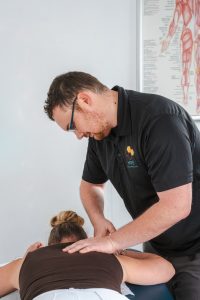
A typical session at Hive begins with a conversation and assessment.
We’ll discuss:
- What brought you in
- When your symptoms started
- What activities make things better or worse
- Previous injuries
- Your goals
This helps us understand the bigger picture.
Treatment may then include techniques such as:
Soft Tissue Massage
Targeted massage techniques can help address areas of muscle tightness and discomfort.
The aim is not simply to provide temporary relief but to improve how the body moves and functions.
Trigger Point Work
Sometimes areas of tension within muscles can contribute to discomfort elsewhere.
Targeted techniques may be used to address these areas and improve movement quality.
Mobility Work
Restricted movement can affect how your body performs everyday tasks.
Improving mobility may help you move more freely and comfortably.
Exercise Advice
One of the biggest differences at Hive is that we don’t believe treatment should stop when you leave the room.
Where appropriate, we may provide exercises or movement advice to help you maintain progress between sessions.
This links closely with our Exercise and rehabilitation services.
(Internal Link: Exercise With Pain page)
Who Can Benefit From Soft Tissue Therapy?
Soft tissue therapy can be useful for a wide range of people.
You don’t need to be an athlete or have a major injury to benefit.
Many people seek treatment because they simply want their body to feel and move better.
People With Everyday Muscle Tension
Modern life can place a lot of stress on the body.
Long periods sitting, repetitive movements, driving and physical work can all contribute to muscle tightness.
Common areas people notice tension include:
- Neck
- Shoulders
- Upper back
- Lower back
- Hips
- Legs
Soft tissue therapy may help address these areas while giving you a better understanding of how to manage them.
People Returning From Injury
After an injury, many people become cautious about movement.
They may worry about making things worse or feel unsure what they should and shouldn’t do.
Soft tissue therapy can form part of a wider injury rehabilitation approach by supporting movement, confidence and recovery.
(Internal Link: Injury Rehabilitation page)
Active Adults and Sports Participants
You don’t need to compete at an elite level to benefit from sports-focused treatment.
Many everyday activities place demands on the body.
This includes:
- Walking
- Gardening
- Golf
- Cycling
- Running
- Gym training
- Hobbies
Keeping your body moving well can help you continue doing the things you enjoy.
People Managing Long-Term Aches and Pains
Many people live with ongoing discomfort and simply accept it as something they have to put up with.
However, understanding your movement, building strength and looking after your body can make a significant difference to confidence and quality of life.
Soft Tissue Therapy vs Massage: What’s The Difference?
Many people use the terms massage and soft tissue therapy interchangeably, but there are some important differences.
A relaxation massage is usually designed around helping someone unwind and reduce stress.
Soft tissue therapy is more focused on:
- Understanding movement
- Identifying areas of restriction
- Supporting recovery
- Improving mobility
- Helping people return to activities
A session is usually guided by your goals.
For example:
Someone preparing for a walking holiday may want to improve mobility.
Someone recovering from an injury may need support rebuilding confidence.
Someone experiencing ongoing stiffness may want help understanding what contributes to their symptoms.
The treatment should always be adapted to the individual.
Why Hands-On Treatment Should Be Combined With Movement
Hands-on treatment can be a valuable part of improving how your body feels.
However, lasting improvements often come from combining treatment with positive habits.
This may include:
- Strength training
- Mobility exercises
- Better movement strategies
- Gradual increases in activity
- Understanding your body
At Hive, we believe movement is an important part of long-term health.
Treatment can help you feel better, but building a stronger and more capable body helps you maintain progress.
Why Choose Hive Health & Well-Being Centre For Soft Tissue Therapy?
Choosing a therapist is about more than finding somewhere local.
It is about finding somewhere that understands your goals.
At Hive, we combine:
Experience
Our team works with people experiencing a wide range of movement concerns.
A Personal Approach
Every person receives treatment based on their own situation rather than a generic routine.
A Bigger Picture Approach
We look beyond symptoms and consider how movement, strength and lifestyle all connect.
Local Support
Based in Bideford, we support people across North Devon who want to improve their health and wellbeing.
What Happens After Your Appointment?
One of the most common questions people ask is what happens once the treatment has finished. While hands-on therapy can be an important part of improving movement and reducing muscle tension, what you do between appointments can be just as valuable.
After your session, your therapist may recommend simple exercises, stretches or movement strategies based on your assessment. These are designed to help you maintain the improvements made during treatment and build confidence in how your body moves. Rather than relying solely on regular appointments, our aim is to give you the knowledge and tools to support your own long-term health.
At Hive Health & Well-Being Centre in Bideford, we believe education is just as important as treatment. Understanding why you are experiencing certain symptoms and learning how to manage them can make a real difference to your progress.
Every person is different, so any advice you receive will be tailored to your individual needs, lifestyle and goals. Whether you enjoy walking along the North Devon coast, spending time in the garden, exercising at the gym or simply want everyday activities to feel easier, we’ll work with you to develop a practical plan that supports your movement long after you leave the treatment room.
Frequently Asked Questions
How long does a soft tissue therapy session last?
Appointments vary depending on the type of treatment required and your goals. Your therapist will discuss the best option for your needs.
Is soft tissue therapy suitable for older adults?
Yes. Treatment can be adapted for different ages and abilities. Many older adults use soft tissue therapy to support mobility and maintain an active lifestyle.
Can soft tissue therapy help after an injury?
Soft tissue therapy can form part of a wider recovery plan. Depending on your injury, exercise rehabilitation may also be recommended.
How often should I have soft tissue therapy?
This depends on your individual needs, goals and lifestyle. Some people attend regularly, while others book when they need support.
If stiffness, muscle tension or an old injury is stopping you moving how you want to, Hive Health & Well-Being Centre in Bideford can help you understand your options.
Our team combines soft tissue therapy, exercise knowledge and rehabilitation support to help you move with confidence.
Book your soft tissue therapy appointment today and take the next step towards better movement.