
Is Exercise Good for Back Pain? What Should You Do and Avoid?
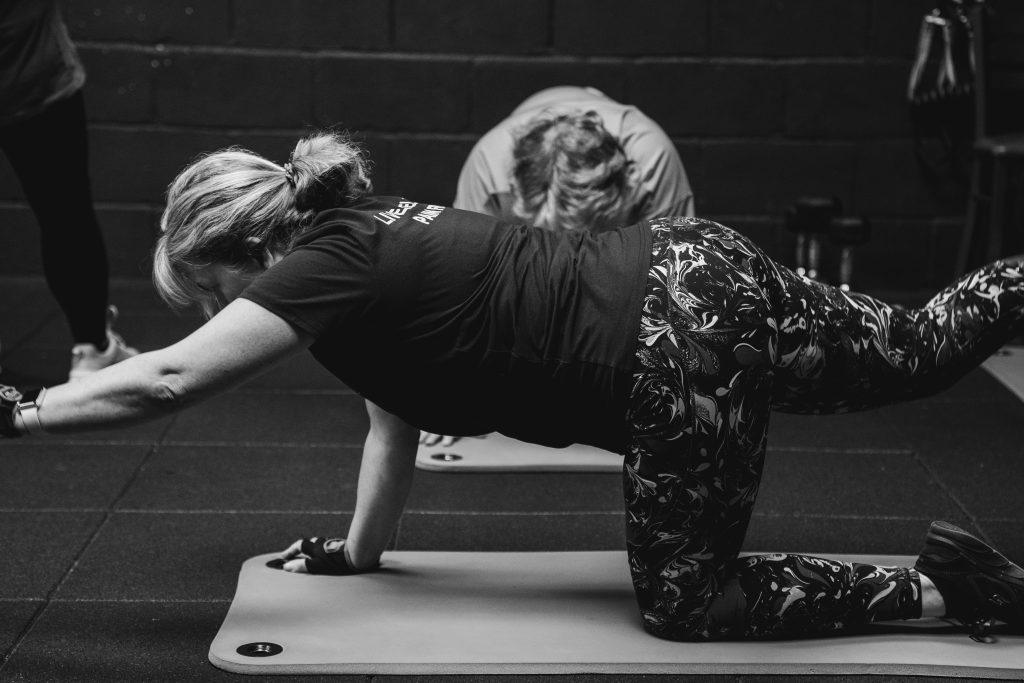
In many cases, yes – appropriate exercise and regular movement can be helpful when you have back pain. Staying active can help maintain movement, strength and confidence, while prolonged inactivity can contribute to stiffness and weakness. The important thing is to choose activity that is appropriate for your symptoms and build up gradually.
When your back hurts, exercising can feel like the last thing you should be doing.
It’s understandable to think that pain means you should rest until your back feels completely better. But for many common types of back pain, avoiding movement altogether isn’t necessarily the best approach.
At The Hive Health & Well-Being Centre in Bideford, we regularly meet people who have gradually stopped exercising because they’re worried about making their back pain worse.
The result can be a frustrating cycle:
Your back hurts → you move less → you lose strength and confidence → movement feels harder → you become even more cautious.
The aim isn’t to push through significant pain. It’s to find a level of movement you feel comfortable with and gradually build from there.
Should You Exercise With Back Pain?
For many people, some form of activity is appropriate.
Current NHS advice for back pain recommends staying active and trying to continue normal daily activities. It also advises against staying in bed for long periods. Activities such as walking, swimming, yoga and Pilates may be helpful for some people.
That doesn’t mean every exercise is suitable for every person.
Back pain varies enormously. What feels comfortable for one person may aggravate symptoms for another, and the right starting point will depend on your symptoms, current ability and what you are used to doing.
Rather than asking:
“Can I exercise with back pain?”
A more useful question can be:
“What exercise can I comfortably do at the moment?”
Why Can Movement Help With Back Pain?
When something hurts, it’s natural to protect it.
For a short period that may mean reducing or adapting certain activities. But avoiding movement for too long can mean muscles become weaker and everyday movements begin to feel more difficult.
Regular, appropriate movement can help you:
- Maintain mobility
- Gradually rebuild strength
- Maintain general fitness
- Reduce stiffness
- Become more confident moving again
- Return progressively to normal activities
Exercise can therefore be about much more than performing a few specific “back exercises”.
Walking, getting up regularly during the working day, gradually returning to hobbies and rebuilding general strength can all form part of becoming more active again.
What Exercises Are Good for Back Pain?
There isn’t one exercise that is best for everybody with back pain.
That’s important.
You may see lists online promising the “five best exercises for lower back pain”, but your back pain isn’t necessarily the same as somebody else’s.
Depending on the individual, appropriate activity might include:
Walking
Walking is simple, accessible and easy to adjust.
If a long walk feels too much, start with a shorter distance and gradually increase it.
Gentle Mobility Exercises
Controlled movements can help you explore what feels comfortable and maintain mobility rather than becoming increasingly cautious about moving your back.
Strength Exercises
As your confidence improves, strengthening exercises can be introduced and gradually progressed.
These don’t necessarily need to focus exclusively on your back. Building strength throughout your legs, hips, trunk and upper body can form part of a well-rounded exercise programme.
Swimming or Cycling
Some people find lower-impact activities such as swimming or cycling a comfortable way to increase general activity.
Your Normal Activities
Exercise doesn’t have to happen in a gym.
Gardening, walking the dog and other everyday activities all involve movement.
The ultimate goal for many people isn’t to become good at rehabilitation exercises – it’s to get back to normal life.
What Exercise Should You Avoid With Back Pain?
Again, there isn’t a universal list of “bad exercises”.
An exercise that isn’t appropriate for you today may be something you can comfortably return to later.
Instead of permanently labelling movements as dangerous, pay attention to how your body responds.
You may need to reduce, adapt or temporarily avoid an activity if it causes a significant increase in your symptoms.
That could mean:
- Reducing the weight you’re lifting
- Decreasing the range of a movement
- Exercising for less time
- Choosing a different exercise temporarily
- Taking longer recovery between sessions
You can then gradually build things back up as your symptoms and confidence improve.
Should Exercise Hurt When You Have Back Pain?
This is one of the biggest concerns people have.
Some discomfort doesn’t automatically mean you’re damaging your back. But that doesn’t mean you should ignore significant or worsening pain either.
A useful principle is to look at how your body responds during and after activity.
If an exercise causes sharp or significantly increasing pain, or your symptoms remain substantially worse afterwards, that’s a reason to stop or modify what you’re doing.
If you’re unsure how much discomfort is acceptable, professional guidance can help you find an appropriate starting point.
Should You Rest Until Your Back Pain Has Completely Gone?
Usually, waiting until you feel 100% before moving again isn’t necessary for common back pain.
In fact, long periods of bed rest and inactivity are generally discouraged.
That doesn’t mean you can’t rest when you need to. During a painful flare-up, you may temporarily need to reduce certain activities.
The distinction is between sensible short-term modification and becoming afraid to move altogether.
Think:
Modify rather than stop.
Then gradually increase what you do as things settle.
What If You’re Frightened of Making Your Back Worse?
This is extremely common.
If you’ve experienced a painful episode – particularly one that appeared suddenly – it’s understandable to become cautious.
You may stop lifting things.
You may avoid bending.
You might stop exercising altogether.
Over time, you can become less confident in movements you previously wouldn’t have thought twice about.
This is where supported exercise can be particularly useful.
Rather than immediately trying to return to everything you did before, you can gradually reintroduce movement at a level you feel comfortable with.
As your ability improves, exercises can become progressively more challenging.
The objective is to rebuild confidence as well as strength.
When Should You Get Help With Back Pain?
Most back pain isn’t caused by anything serious and often improves over time, but there are situations where medical advice is important.
Seek appropriate medical advice if you’re concerned about your symptoms, particularly if your pain is severe, getting worse or isn’t improving.
Urgent medical assessment may be needed for symptoms including new bladder or bowel problems, loss of feeling around the genitals or anus, chest pain, or back pain following a serious accident.
If you’re unsure, NHS 111 or your GP can advise you on the appropriate next step.
How The Hive Can Help
At The Hive in Bideford, we don’t believe back pain support should necessarily finish as soon as your immediate discomfort improves.
Depending on what you need, your journey might start with Back Pain Treatment or Pain & Injury Treatment.
As you’re ready to move more, Exercise & Injury Rehabilitation can help you gradually introduce appropriate movement, rebuild strength and become more confident exercising again.
And when rehabilitation is no longer the main focus, you can continue into Personal Training & Fitness if you’d like ongoing support becoming fitter and stronger.
It’s all available in one place.
Treatment → Rehabilitation → Strength & Fitness
If back pain has made you nervous about exercise, you don’t have to work out the next step alone.