Soft Tissue Therapy vs Physiotherapy : What's the Difference? Part 2
How Does Hive Approach Soft Tissue Therapy?
At Hive Health & Well-Being Centre in Bideford, we believe effective treatment starts with understanding the person in front of us.
Rather than simply treating the area where you feel discomfort, we take time to understand:
- Your symptoms
- Your movement patterns
- Your lifestyle
- Your activity levels
- Your previous injuries
- Your goals
For some people, the priority may be reducing muscle tension and improving mobility.
For others, the focus may be rebuilding strength, returning to exercise or improving confidence after an injury.
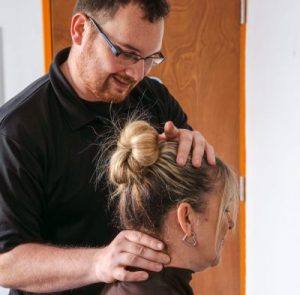
This is why our approach combines hands-on treatment with movement and exercise advice where appropriate.
We want you to understand your body, not just rely on treatment.
Why Choosing the Right Therapist Matters
When searching for help with pain or injury, it can be confusing to know who to choose.
There are many different treatment approaches available, and the terminology can sometimes feel overwhelming.
The most important thing is finding someone who:
- Listens to your concerns
- Understands your goals
- Provides a clear plan
- Helps you make informed decisions
- Works within their area of expertise
A good therapist should never make you feel pressured into a particular treatment.
At Hive, our aim is to help you find the right route forward, whether that involves soft tissue therapy, exercise, rehabilitation or another healthcare professional.
Common Myths About Soft Tissue Therapy and Physiotherapy
“Soft Tissue Therapy Is Just Massage”
This is a common misunderstanding.
While massage techniques may be used, soft tissue therapy involves assessment, understanding movement and addressing areas that may be affecting how your body functions.
It is a more targeted approach than a traditional relaxation massage.
“Physiotherapy Is Only For Serious Injuries”
Physiotherapy supports people with many different needs, from post-operative rehabilitation to improving movement and managing long-term conditions.
It plays an important role in helping people regain function and independence.
“You Should Avoid Movement When You Have Pain”
Many people become afraid of movement when they experience discomfort.
However, the right type and amount of movement can often be an important part of building confidence and improving physical ability.
The key is finding the appropriate starting point and progressing gradually.
Frequently Asked Questions
Is soft tissue therapy the same as physiotherapy?
No. Although there can be some overlap, they are different professions with different training pathways and focuses. Soft tissue therapy often focuses on muscles, movement and soft tissues, while physiotherapy covers a broader range of rehabilitation and healthcare needs.
Can soft tissue therapy help with back pain?
Soft tissue therapy may help some people with back pain by addressing areas of muscle tension and movement restriction. A wider approach including exercise and strengthening is often important for long-term management.
Should I see a physiotherapist or soft tissue therapist first?
It depends on your situation. If you are unsure, speaking with a professional can help identify the most appropriate option.
Can I combine physiotherapy and soft tissue therapy?
Yes. Many people benefit from combining different approaches depending on their stage of recovery and goals.
If you’re unsure whether you need soft tissue therapy, sports massage, exercise rehabilitation or another approach, our team at Hive Health & Well-Being Centre in Bideford can help you understand your options.
We work with people throughout North Devon who want to move better, feel stronger and regain confidence in their bodies.
Contact Hive Health & Well-Being Centre today to discuss how we can support your next step.