Soft Tissue Therapy vs Physiotherapy: What's the Difference?
If you’ve been struggling with pain, stiffness or an injury, you’ve probably asked yourself one simple question:
“Do I need physiotherapy or soft tissue therapy?”
It’s a common question, and the answer isn’t always straightforward. Both approaches aim to help people move better, reduce discomfort and return to doing the things they enjoy. However, they do this in different ways and often focus on different aspects of recovery.
At Hive Health & Well-Being Centre in Bideford, we regularly meet people who aren’t sure which treatment is right for them. Some arrive thinking they need physiotherapy when soft tissue therapy may be more appropriate. Others benefit from a combination of hands-on treatment and exercise-based rehabilitation. There are also times when physiotherapy is the better choice, and we’ll always recommend the option we believe best suits your needs.
In this guide, we’ll explain the differences between soft tissue therapy and physiotherapy, how each approach works and how to decide which may be right for you.
What Is Soft Tissue Therapy Bideford?
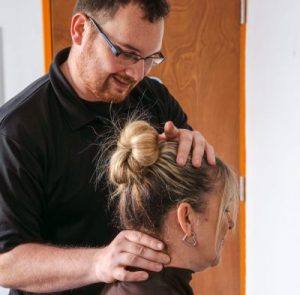
Soft tissue therapy focuses on the muscles, tendons, ligaments and other soft tissues throughout the body. The aim is to improve movement, reduce muscle tension, encourage recovery and help people return to normal activities with greater confidence.
Unlike a relaxing massage, soft tissue therapy is based on a detailed assessment of how your body moves and where restrictions or imbalances may be contributing to your symptoms.
Treatment may include:
- Hands-on soft tissue techniques
- Deep tissue work where appropriate
- Trigger point therapy
- Myofascial release
- Assisted stretching
- Joint mobility techniques
- Exercise advice
- Movement education
Rather than simply treating the area that feels painful, a soft tissue therapist will often assess how the entire body is functioning.
For example, someone with shoulder pain may actually have movement restrictions through their upper back or weakness around the shoulder blade. Likewise, persistent knee pain may be influenced by hip strength or ankle mobility.
Looking at the bigger picture helps create a more personalised treatment plan.
What Is Physiotherapy?
Physiotherapy is a healthcare profession that focuses on restoring movement and function following injury, illness or surgery.
Physiotherapists are trained to assess a wide range of musculoskeletal, neurological and respiratory conditions. Their approach often combines education, rehabilitation exercises, movement assessment and, depending on the practitioner, hands-on treatment.
A physiotherapist may help people recovering from:
- Joint replacements
- Fractures
- Stroke
- Neurological conditions
- Post-operative rehabilitation
- Sports injuries
- Arthritis
- Long-term mobility problems
Treatment commonly includes:
- Exercise rehabilitation
- Strengthening programmes
- Balance training
- Mobility exercises
- Education
- Manual therapy (where appropriate)
- Pain management strategies
Many physiotherapists spend a large proportion of treatment helping patients improve strength, mobility and confidence through structured rehabilitation.
What Are the Biggest Differences?
Although there is some overlap, the two professions often approach treatment from different angles.
Soft Tissue Therapy Often Focuses On:
- Muscle tension
- Movement quality
- Soft tissue restrictions
- Sports injuries
- Muscle recovery
- Improving mobility
- Hands-on treatment
- Returning to activity
Physiotherapy Often Focuses On:
- Clinical diagnosis
- Rehabilitation after surgery
- Long-term health conditions
- Exercise prescription
- Functional recovery
- Improving independence
- Neurological rehabilitation
- Overall physical function
Neither approach is “better” than the other—they simply have different areas of expertise.
In many cases, they complement one another.
Which Conditions Might Benefit From Soft Tissue Therapy?
Many people seek soft tissue therapy because they’re experiencing aches, pains or movement restrictions that are affecting everyday life.
Common reasons people visit Hive Health & Well-Being Centre include:
Persistent Muscle Tightness
Whether caused by office work, manual labour or regular exercise, muscle tightness can affect posture, movement and comfort.
Soft tissue therapy aims to improve tissue quality while helping you understand why the tension keeps returning.
Sports Injuries
From runners and cyclists to golfers and gym-goers, sports injuries often involve muscles, tendons or ligaments.
Treatment focuses on supporting recovery while helping you return to activity safely.
Back Pain
Back pain rarely has a single cause.
Muscle tension, reduced mobility, poor movement habits and lifestyle factors may all contribute.
Hands-on treatment combined with appropriate exercise can often help people move with greater confidence.
(Internal Link: Back Pain page)
Neck and Shoulder Pain
Many people spend long hours sitting at a desk or driving.
Over time this can contribute to stiffness around the neck, shoulders and upper back.
Treatment may focus on restoring movement while providing exercises to maintain improvements between appointments.
General Aches and Pains
Not every injury has a dramatic cause.
Sometimes discomfort develops gradually over months or even years.
Soft tissue therapy can help identify movement restrictions that may be contributing to ongoing symptoms.
When Is Physiotherapy Often the Better Choice?
Physiotherapy may be particularly appropriate if you’re recovering from:
- Joint replacement surgery
- Broken bones
- Stroke
- Neurological conditions
- Complex medical conditions
- Hospital treatment
- Significant balance problems
- Major ligament injuries requiring structured rehabilitation
Physiotherapists also play an important role in helping people regain independence following illness or surgery.
If we believe physiotherapy would better meet your needs, we’ll always recommend it.
At Hive, our priority is helping people access the most appropriate care—not simply booking an appointment.
Do You Ever Need Both?
Absolutely.
In fact, many people benefit from combining hands-on treatment with structured exercise rehabilitation.
For example:
A runner recovering from an Achilles problem may benefit from soft tissue therapy to improve calf mobility while also following a progressive strengthening programme.
Someone recovering from shoulder surgery may work with a physiotherapist during the early stages before later using soft tissue therapy to improve muscle flexibility and restore normal movement.
Recovery is rarely about one treatment alone.
It’s about using the right tools at the right time.